

Common Tree Issues That Arborist Gordon Specialists Encounter
Arborist Gordon specialists are certified tree care professionals who manage the health, safety, and maintenance of trees throughout the Gordon area. They diagnose problems, perform essential maintenance, and protect both properties and people from tree-related hazards.
UndeUnderstanding common tree issues helps property owners recognize when professional intervention becomes necessary. Early identification prevents minor problems from escalating into costly damage or dangerous situations. Many residents rely on tree services Gordon to manage these concerns effectively.
This article examines the most frequent tree problems that arborist Gordon specialists address daily. From pruning hazards and structural instability to root damage and neighbor disputes, these professionals handle diverse challenges requiring specialized knowledge and equipment.
The Gordon area presents unique tree management concerns due to:
- Established residential properties with mature trees
- Proximity between neighboring homes
- Local council regulations governing tree maintenance
- Native and introduced species requiring different care approaches
Recognizing these issues empowers property owners to maintain safer, healthier trees while avoiding potential conflicts and property damage. Engaging experienced tree services Gordon ensures each problem is handled safely and in compliance with local requirements.
What Safety Risks Do Arborists Face During Tree Pruning?
Tree pruning involves various risks that can pose serious dangers to arborists. It is crucial for them to follow safety protocols every day to mitigate these risks.
Falls from Height
One of the most significant hazards in tree pruning is falling from heights. Arborists often work at elevated positions where a single misstep can lead to life-threatening injuries. The physical demands of climbing while using sharp tools create multiple points of vulnerability.
Contact with Power Lines
Another risk arborists face is contact with power lines, which can result in electrocution. This requires constant vigilance on their part. In many properties in Gordon, trees are growing near or even through electrical infrastructure, making this a common concern during routine maintenance.
Sharp Tool Injuries
Injuries caused by sharp tools such as chainsaws, hand saws, and pruning shears can occur when equipment slips or when arborists lose their grip while balancing on branches.
Unstable Branches
Unstable branches present unpredictable hazards. Dead limbs may break without warning, while seemingly solid branches can fail under an arborist’s weight due to hidden decay or structural weaknesses.
Wind Gusts
Wind gusts during pruning operations add another layer of instability that can throw workers off balance.
Essential Protective Equipment
To minimize the severity of injuries in case accidents happen during tree pruning activities, it is essential for arborists to wear the following protective equipment:
- Eye protection to shield against sawdust and flying debris
- Hard hats for overhead protection from falling branches
- Cut-resistant gloves for hand safety during tool operation
- Hearing protection against prolonged chainsaw noise exposure
- Chainsaw chaps to prevent leg injuries from blade contact
- Slip-resistant boots with ankle support for secure footing
Each piece of equipment serves a specific purpose in reducing injury severity when accidents occur during tree pruning activities.
How Do Incorrect Pruning Techniques Affect Tree Health and Structure?
Improper pruning creates wounds that trees struggle to compartmentalize, leaving them vulnerable to decay organisms and pathogens. When arborists encounter trees with incorrect pruning effects, they often observe exposed heartwood, torn bark, and flush cuts that remove the protective branch collar. These wounds disrupt the tree’s natural defense mechanisms, allowing fungi and bacteria to penetrate deep into the wood tissue.
Tree health damage manifests in several ways:
- Topping removes the tree’s crown, forcing rapid regrowth of weak, poorly attached branches
- Lion’s tailing strips interior foliage, leaving weight concentrated at branch ends
- Stub cuts create dead wood that invites decay into the main branch structure
- Over-pruning removes more than 25% of the canopy, starving the tree of energy reserves
The structural consequences prove equally severe. Trees compensate for poor cuts by developing included bark at attachment points, creating weak unions prone to splitting. Branches that grow back after topping attach superficially to the cut surface rather than integrating with the wood beneath. During storms or high winds, these compromised attachment points fail catastrophically.
Arborist Gordon specialists regularly assess trees bearing scars from years of improper maintenance. The damage compounds over time, with each incorrect cut weakening the tree’s architecture and reducing its ability to withstand environmental stresses.
What Problems Arise From Tree Encroachment On Neighboring Properties?
Tree encroachment issues create significant tension between property owners when branches overhang fences or roots cross boundary lines. Arborist Gordon specialists regularly address complaints about overhanging limbs dropping leaves into pools, blocking sunlight from gardens, or scraping against roofs during storms.
Root systems cause even more serious property damage from trees by:
- Cracking driveways and pathways as they expand beneath concrete surfaces
- Blocking or breaking underground drainage pipes and sewer lines
- Lifting paving stones and creating trip hazards
- Damaging retaining walls through constant pressure
Disputes between neighbors escalate quickly when tree owners refuse to address encroachment problems. Some property owners demand complete tree removal, while others simply want regular trimming to maintain clearance. The situation becomes legally complex when determining who bears responsibility for damage caused by roots or branches crossing property boundaries. Arborist specialists often serve as mediators in these conflicts, providing expert assessments that help neighbors reach fair solutions through strategic pruning or installation of root barriers.
How Can Tree Roots Cause Damage To Surrounding Infrastructure?
Tree roots naturally seek moisture and nutrients, often targeting weakened areas in pavements, walls, and foundations. As roots grow, they exert significant pressure on concrete surfaces, causing root damage to pavements through cracks and heaving that create trip hazards and costly repairs.
Foundation damage from roots occurs when trees planted too close to buildings send their root systems beneath structures. These roots exploit existing cracks or joints in foundations, gradually widening them as they expand. The pressure from growing roots can destabilize building foundations, leading to:
- Cracked basement walls
- Uneven floors and door frames
- Separated foundation joints
- Compromised structural integrity
Underground plumbing systems face particular vulnerability as roots invade sewer lines and water pipes through small openings. Once inside, roots proliferate rapidly, creating blockages that cause backups and require expensive excavation to repair. The moisture from leaking pipes attracts roots, creating a cycle of damage that worsens without intervention.
Why Are Falling Branches Or Trees A Frequent Concern For Arborists?
Falling branches risk represents one of the most dangerous situations arborists encounter in Gordon. Trees experience constant stress from environmental forces that weaken their structural integrity over time.
Weather-related Causes of Tree Limb Failure
Wind stress places enormous strain on branches and trunks, particularly during severe weather events. Strong gusts create leverage forces that can snap limbs or uproot entire trees, especially when combined with saturated soil conditions. Drought weakens wood fibers and makes branches brittle, while sudden temperature fluctuations cause expansion and contraction that creates internal fractures.
Non-Weather Related Causes of Tree Limb Failure
Tree limb failure causes extend beyond weather patterns:
- Excessive branch weight from dense foliage or fruit loads
- Decay from fungal infections weakening attachment points
- Poor branch structure with narrow V-shaped crotches
- Previous storm damage creating stress points
Potential Consequences of Falling Trees
Property damage from falling trees includes crushed vehicles, destroyed roofing, damaged power lines, and structural impacts to buildings. The safety hazards pose immediate threats to residents, with falling limbs causing serious injuries or fatalities when they strike people or occupied spaces.
How Do Trees Affect Allergies And Respiratory Health?
Tree pollen allergies are one of the most common health issues that arborists deal with when talking to property owners. Wind-pollinated trees release tiny pollen grains that float through the air and can cause allergic reactions in people who are sensitive to them.
Common Trees Causing Allergies in Gordon
In the Gordon area, there are several types of trees that are known to cause allergies:
- Plane trees – produce heavy pollen loads during spring
- Oak trees – release allergenic pollen from September to November
- Birch trees – known for highly allergenic pollen particles
- Pine trees – distribute pollen over large distances
- Cypress trees – cause winter and early spring allergies
These allergies caused by trees can lead to respiratory problems such as sneezing, runny nose, itchy eyes, and difficulty breathing. Arborists often get requests from people to remove or move trees that are causing issues near their homes, schools, or medical facilities.
What Maintenance Challenges Does Leaf Litter And Tree Debris Present?
Leaf litter problems create significant maintenance burdens for Gordon property owners. Accumulated leaves and flowers form dense mats that trap moisture and decomposing organic matter, creating ideal conditions for mold growth and pest infestations.
Gutter blockage by leaves ranks among the most frequent complaints arborists address. When gutters fill with debris, water cannot flow properly through downspouts, causing:
- Overflow that damages fascia boards and exterior walls
- Water pooling near foundations, risking structural instability
- Contaminated runoff entering stormwater systems
- Ice dam formation during colder months
Flower petals and seed pods compound these issues by forming sticky residues that cement debris together. Trees overhanging roofs drop continuous material throughout growing seasons, requiring regular clearing schedules. Property owners near large deciduous trees often face weekly maintenance during autumn peak periods to prevent drainage system failures.
How Do Arborist Gordon Specialists Provide Safe Tree Management Solutions?
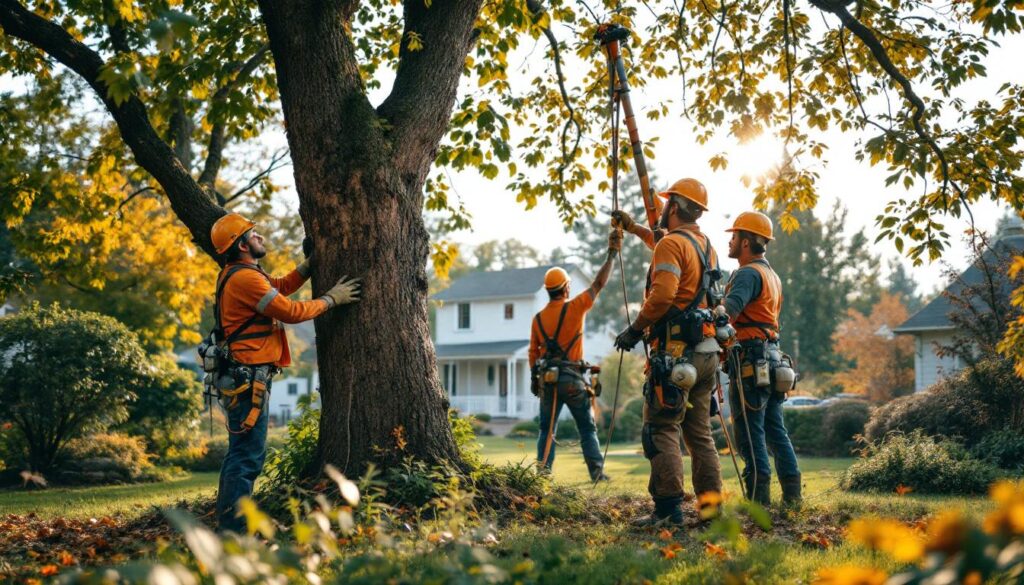
Safe tree management Gordon professionals conduct thorough risk assessments before any intervention begins. They evaluate structural integrity, identify decay patterns, measure branch angles, and analyze environmental stressors that could compromise safety during work.
Certified arborists employ advanced rigging techniques for trees to control the descent of heavy limbs and sections during removal operations. These methods include:
- Negative rigging to lower branches below the cutting point
- Speed-line systems for horizontal movement of debris away from structures
- Block-and-tackle configurations to manage weight distribution
- Friction devices that provide controlled lowering speeds
Their training in physics and load calculations ensures cuts are made at precise angles to prevent barber-chairing or unexpected limb movement. Specialists position themselves using climbing harnesses and positioning lanyards that meet Australian Standards, maintaining three points of contact while operating chainsaws or hand tools at height.
How Do Specialists Help Resolve Disputes Related To Tree Issues?
Resolving tree disputes Gordon specialists act as neutral mediators when conflicts arise between property owners. Encroachment remains the primary trigger—overhanging branches dropping leaves into pools, roots lifting pavers on adjacent properties, or limbs blocking sunlight from gardens. Damage to gutters, driveways, and underground utilities frequently escalates tensions between neighbors.
Arborists provide documented assessments that clarify responsibility under local regulations. They recommend practical solutions like strategic pruning to maintain clearance boundaries or installing root barriers to prevent future intrusion. Neighbor conflicts over trees often stem from misunderstandings about legal obligations, which certified professionals can clarify through detailed reports.
Their expertise transforms emotional disagreements into actionable plans. By presenting evidence-based options—such as selective branch removal that preserves tree health while addressing valid concerns—arborists help both parties reach agreements that protect relationships and property values.
Why Is It Important To Consult Professional Arborists In Gordon For Managing Tree Issues Effectively?
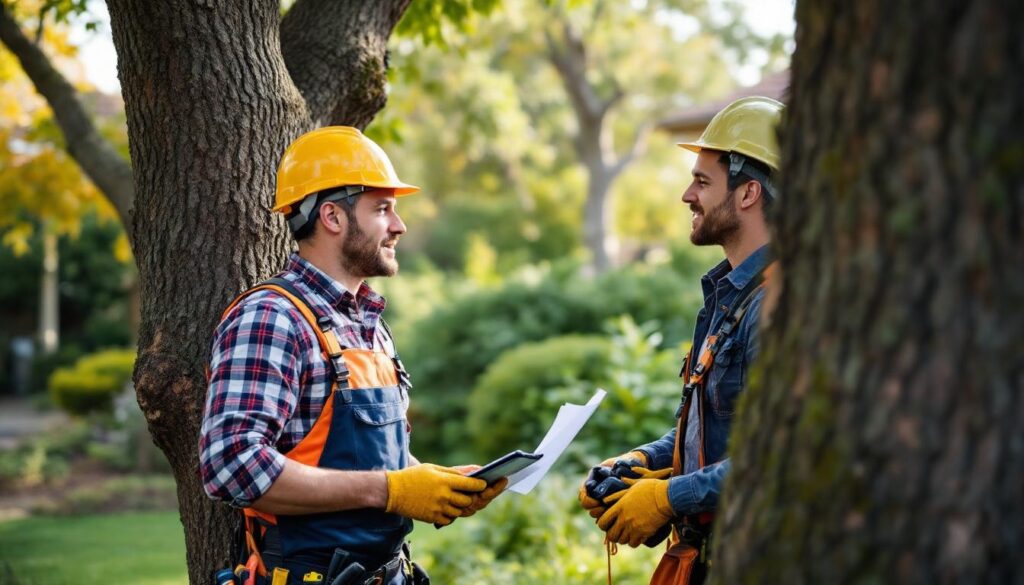
Professional arborists have specialized knowledge that helps protect both property and people from various tree problems that are common in Gordon. Their training allows them to accurately assess risks before taking any action.
The importance of professional arborists in Gordon goes beyond just trimming trees. These specialists understand the regulations set by the local council, especially the requirements of Ku-ring-gai, ensuring that they comply with these rules while addressing tree issues. They also have the technical skills to handle dangerous situations such as unstable branches near power lines or root systems that pose a threat to foundations, using proper rigging techniques and safety protocols.
Trying to manage trees on your own can often lead to expensive mistakes: improper pruning that weakens the structure of the tree, inadequate safety measures resulting in injuries, or unintentional damage to property. Expert arborists offer customized solutions that take into account the biology of the tree, its structural integrity, and long-term health while minimizing liability risks for property owners.
Tags: Gordon arborist, Gordon tree removal, Gordon tree services, tree removal Gordon, tree services Gordon