

What Are The Major Challenges Facing Trees In Cherrybrook’s Suburban Gardens?
Trees in Cherrybrook’s suburban gardens face mounting pressures from rapid development and environmental changes. These living assets provide essential shade, reduce energy costs, enhance property values, and improve air quality—yet they’re increasingly vulnerable to a complex web of health threats.
1. Unique Issues in High-Growth Suburban Areas
High-growth suburban areas like Cherrybrook present unique suburban tree issues that differ markedly from rural settings. In some cases, severe decline or structural instability may even require professional tree removal Cherrybrook services. The combination of construction activities, altered landscapes, and concentrated human activity creates stress factors that compromise tree vitality:
- Compacted soils from building work restrict root development.
- Modified drainage patterns disrupt natural water availability.
- Urban pollutants accumulate in these densely populated zones, affecting leaf function and overall growth.
2. Intersection of Environmental and Biological Threats
Tree health challenges multiply when environmental stressors intersect with biological threats:
- Pest populations thrive in suburban microclimates.
- Diseases spread more readily when trees are already weakened by poor growing conditions.
- Competition for limited resources among closely planted specimens adds another layer of difficulty.
3. The Role of Certified Arborists
Certified arborists play a critical role in addressing these complex problems. An Arborist Cherrybrook professional with ISA certification brings specialized diagnostic skills to identify underlying causes of decline:
- Assessing soil conditions
- Recognizing pest and disease symptoms
- Developing targeted management strategies
Their knowledge of current industry methodologies ensures homeowners receive evidence-based solutions rather than guesswork, protecting both individual trees and the broader suburban canopy.
Which Environmental Stressors Impact Trees In Suburban Gardens?
Environmental stressors create significant obstacles for suburban tree health in Cherrybrook’s residential landscapes. These pressures stem from both natural conditions and human activities that fundamentally alter the growing environment trees require to thrive.
Soil Compaction and Degradation
Compacted soil restricts root growth by reducing pore spaces that roots need to expand and access oxygen. Heavy foot traffic, vehicle movement, and construction equipment compress soil particles together, creating dense layers that roots cannot penetrate. This compression also limits water infiltration and nutrient availability, starving trees of essential resources.
Degraded soils lose their natural structure and organic matter content through repeated disturbance. The biological activity that maintains healthy soil ecosystems diminishes, leaving trees without the beneficial fungi and microorganisms that assist nutrient uptake.
Altered Water Flow and Drainage
Altered hydrology disrupts the natural water cycle trees depend upon. Impervious surfaces like driveways, patios, and buildings redirect rainfall away from root zones, creating drought conditions even during wet periods. Conversely, poor drainage from grading changes can waterlog soil, suffocating roots that require oxygen.
Climatic and Pollution Factors
Urban pollutants including vehicle emissions, industrial contaminants, and chemical runoff accumulate in soil and air. These toxins interfere with photosynthesis and nutrient absorption. Temperature extremes intensify in suburban areas due to heat island effects, where concrete and asphalt absorb and radiate heat, stressing trees adapted to cooler conditions.
How Do Insects And Diseases Affect Trees In The Cherrybrook Suburbs?
Insect infestations pose significant threats to Cherrybrook’s suburban trees, with aphids, psyllids, and borers among the most common culprits. These suburban pests feed on tree foliage, sap, and wood, weakening the tree’s structure and reducing its ability to photosynthesize effectively. Scale insects often colonize branches and trunks, creating sticky honeydew that attracts sooty mold and further compromises tree health.
Common Tree Diseases in Cherrybrook
Tree diseases frequently observed in the area include:
- Powdery mildew – appearing as white, dusty coating on leaves
- Root rot fungi – attacking underground systems in poorly drained soils
- Leaf spot diseases – causing premature defoliation and aesthetic decline
- Canker diseases – creating sunken, dead areas on branches and trunks
Why Are Suburban Environments Vulnerable?
Suburban environments create ideal conditions for both insect infestations and disease proliferation. The concentration of diverse plant species in close proximity allows pests and pathogens to spread rapidly between properties. Limited genetic diversity among ornamental trees reduces natural resistance, while stressed trees from environmental pressures become more vulnerable to attack.
Impact of Irrigation and Microclimates
Irrigation practices common in suburban gardens can create excessive moisture around root zones, promoting fungal growth. The modified microclimates created by buildings, paving, and reduced air circulation trap humidity and warmth, accelerating disease development.
Importance of Early Detection
Disease management requires early detection through regular monitoring and professional assessment by qualified arborists who understand these unique suburban dynamics.
Why Is Soil Health Crucial For The Longevity Of Trees In Suburban Gardens Like Cherrybrook?
Soil health directly determines whether trees can access the nutrients and water they need to thrive. Nutrient-rich soil supports vigorous root development, allowing trees to establish strong anchoring systems and absorb essential minerals like nitrogen, phosphorus, and potassium that fuel growth and disease resistance.
The Impact of Soil Compaction on Trees
Soil compaction effects represent one of the most damaging conditions in Cherrybrook’s suburban gardens. When soil particles compress tightly together—often from foot traffic, vehicle movement, or construction activity—oxygen pockets disappear and roots struggle to penetrate the hardened layers. Compacted soil reduces water infiltration by up to 90%, forcing roots to remain shallow where they’re vulnerable to drought stress and physical damage.
Signs of Trouble: How Compacted Soil Affects Tree Health
Trees growing in compacted conditions show stunted growth, yellowing leaves, and increased susceptibility to the pests and diseases discussed in the previous section. The restricted root zones limit nutrient availability, creating deficiencies that weaken the tree’s natural defense mechanisms.
Restoring Soil Health: Practical Solutions for Homeowners
Homeowners can reverse soil degradation through several practical approaches:
- Apply 75-100mm of organic mulch around the tree base (avoiding trunk contact)
- Aerate compacted areas using core aeration or vertical mulching techniques
- Avoid driving or parking vehicles within the tree’s drip line
- Incorporate compost into planting holes when establishing new trees
- Test soil pH and amend accordingly to optimize nutrient uptake
These interventions restore soil structure and create the foundation for long-term tree health in suburban environments.
What Are The Signs Indicating A Decline In Tree Health That Residents Should Look Out For?
1. Leaf Discoloration
Leaf discoloration serves as one of the earliest tree health symptoms residents can spot. Yellowing leaves (chlorosis), browning edges, or premature autumn coloring outside the normal seasonal cycle indicate potential nutrient deficiencies or root system problems. Spotted, blotched, or stippled foliage patterns often signal fungal infections or pest activity requiring immediate arborist diagnosis.
2. Canopy Thinning
Canopy thinning reveals itself through sparse foliage distribution and increased visibility of branches through the crown. Healthy trees maintain dense, full canopies throughout the growing season. When gaps appear or branches lose their leaves prematurely, underlying stressors like water deficiency, root damage, or vascular diseases may be compromising the tree’s vitality.
3. Dieback
Dieback manifests as dead or dying branches starting from the tips and progressing toward the trunk. This progressive branch death represents one of the most serious early warning signs. Residents observing dieback should note its location and extent, as patterns help arborists identify whether the cause stems from drought stress, root rot, or systemic disease.
4. Bark Abnormalities
Bark abnormalities including cracks, splits, cankers, or unusual fungal growth indicate internal decay or pest invasion. Woodpecker activity, sawdust accumulation near the trunk base, or oozing sap suggest borer infestations. These physical symptoms frequently connect to environmental stressors that have weakened the tree’s natural defense mechanisms, making professional assessment essential for accurate diagnosis and treatment planning.
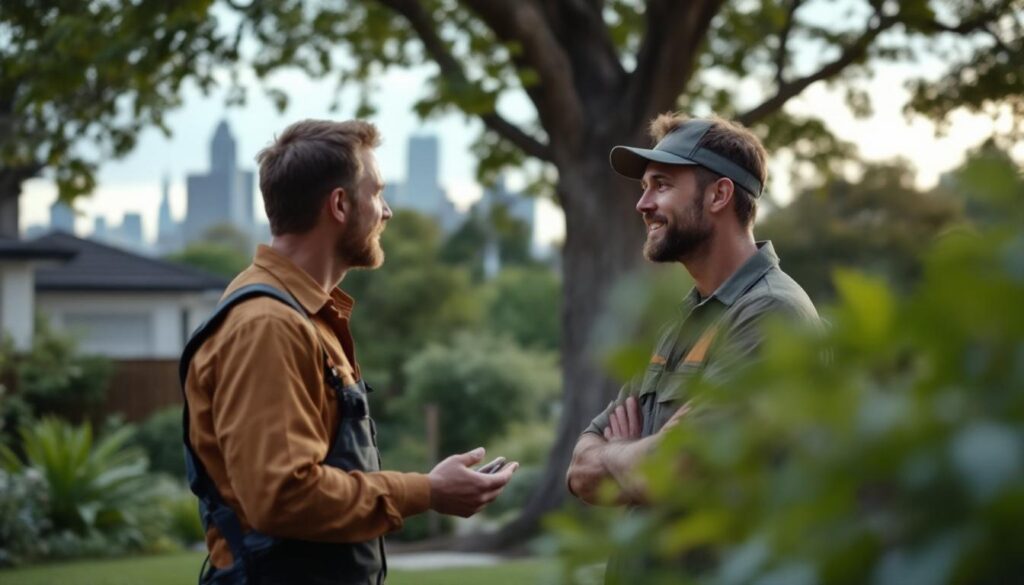
Why Is Consulting A Certified Arborist Essential For Residents Concerned About Their Trees’ Well-Being?
Certified arborist benefits extend far beyond basic tree trimming. Professionals holding ISA certification possess specialized training in plant biology, soil science, and diagnostic techniques that enable them to identify problems invisible to untrained eyes.
The complexity of tree health issues in Cherrybrook requires expert analysis. A yellowing leaf might indicate nutrient deficiency, root damage, or systemic disease—each requiring different treatment approaches. ISA-certified arborists use systematic assessment methods to trace symptoms back to their root causes, preventing misdiagnosis that could waste time and money.
Specialized diagnostic capabilities include:
- Soil testing and analysis for nutrient imbalances
- Root collar examinations to detect girdling roots
- Pest and disease identification using current research
- Structural assessments for safety hazards
- Treatment recommendations based on industry best practices
Arborists also understand the interconnected nature of suburban garden ecosystems. They recognize how construction activity from three years ago might suddenly manifest as tree decline, or how changes in neighboring properties affect drainage patterns impacting your trees.
The credential itself matters. ISA certification requires passing rigorous examinations, maintaining continuing education, and adhering to professional standards. This ensures residents receive advice grounded in scientific research rather than outdated practices or guesswork that could harm valuable trees.
How Can Proper Tree Management Enhance The Benefits Of Suburban Gardens Like Those Found In Cherrybrook?
Does strategic tree care really maximize the value trees bring to your property? Healthy, well-maintained trees deliver substantial environmental and economic advantages that poorly managed specimens simply cannot provide.
Shade and Energy Efficiency
Strategically positioned trees not only provide shade but also reduce household cooling costs by 15-35% during summer months. Their canopies block direct sunlight from hitting roofs and walls, lowering indoor temperatures naturally. A mature tree can provide shade equivalent to ten room-sized air conditioners running 20 hours daily. Understanding tree management benefits means recognizing how proper pruning maintains optimal canopy density for maximum shade coverage without creating hazardous branch structures. Moreover, it’s crucial to put the right tree in the right place to fully maximize these benefits.
Wind Protection and Structural Support
Dense, healthy tree stands create effective windbreaks that reduce heating costs during winter by deflecting cold winds away from homes. Well-managed trees develop strong branch architecture that withstands storm conditions rather than becoming liability hazards. Professional Arborist Cherrybrook: 8 Common Tree Issues in High-Growth Suburban Gardens services ensure trees grow with balanced structures that protect property instead of threatening it.
Property Value Enhancement
Mature trees increase property values by 7-19% according to real estate assessments. This appreciation only occurs when trees remain healthy and attractive through consistent maintenance. Regular arborist interventions prevent the decline that transforms valuable landscape assets into expensive removal projects. Additionally, the benefits of planting trees extend beyond aesthetics, contributing significantly to overall property value and environmental health. Click here to get what tree issues do arborist Gordon specialists see most often?
What Are Eight Common Tree Issues Identified By Arborists In High-Growth Suburban Areas Such As Cherrybrook?
Arborists working in Cherrybrook regularly encounter eight distinct problems that compromise tree health in suburban settings. These common tree problems Cherrybrook residents face stem from both environmental pressures and human activities.
1. Soil Compaction and Nutrient Deficiency
Heavy foot traffic and construction equipment compress soil particles, restricting oxygen flow to roots and limiting nutrient availability.
2. Water Stress from Altered Hydrology
Drainage modifications, paving, and irrigation changes disrupt natural water patterns, leaving trees either waterlogged or drought-stressed.
3. Pest Infestations
Aphids, borers, and scale insects thrive in suburban environments where natural predators are scarce and stressed trees become vulnerable targets.
4. Fungal Diseases
Powdery mildew, root rot, and canker diseases spread rapidly in humid microclimates created by dense suburban plantings.
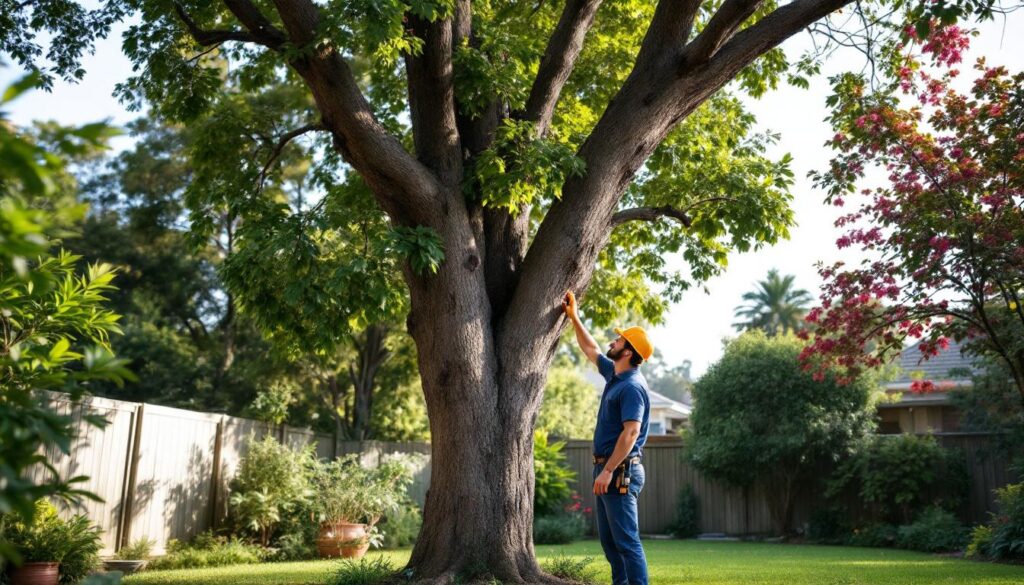
5. Physical Damage from Construction
Excavation, trenching, and landscaping activities sever roots, wound trunks, and destabilize trees during property improvements.
6. Root Damage or Poor Development
Limited planting spaces, underground utilities, and hardscaping restrict root expansion, preventing trees from establishing stable support systems.
7. Pollution-Related Decline
Vehicle emissions, industrial pollutants, and chemical runoff accumulate on leaves and in soil, weakening tree defenses.
8. Overcrowding and Resource Competition
Dense planting schemes force trees to compete for sunlight, water, and nutrients, resulting in stunted growth and increased disease susceptibility.
Tags: arborist Cherrybrook, Cherrybrook arborist, Cherrybrook tree removal, Cherrybrook tree services, tree removal Cherrybrook, tree services Cherrybrook